No products available yet
Stay tuned! More products will be shown here as they are added.


Price Beat Promise
Best value, guaranteed

25+ YEARS experience
Quality products, reliable service

50,000+ PRODUCTS
We’ll find the right one for you!

FREE ARTWORK Proof
Included with every order

FAST DELIVERY
Australia-wide shipping
Promotional coffee mugs and branded drinkware are customised cups, bottles and flasks printed or engraved with your company logo for offices, staff gifts, client giveaways and corporate events. Businesses across Sydney, Melbourne, Brisbane and Perth rely on promotional drinkware because it sits on desks, travels in bags and gets used every single day, keeping your logo in front of the right people long after the event ends. Whether you need custom mugs in Australia for a one-off event or an ongoing supply of corporate mugs for your team, our range has you covered.
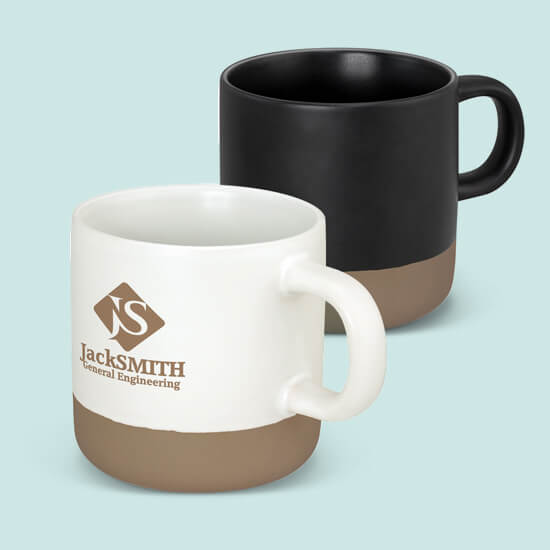
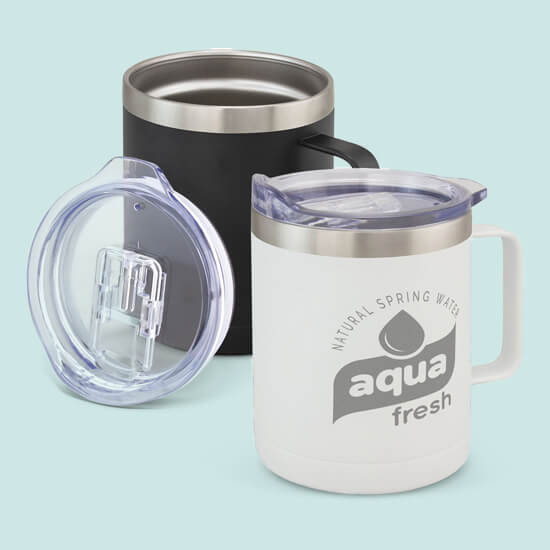
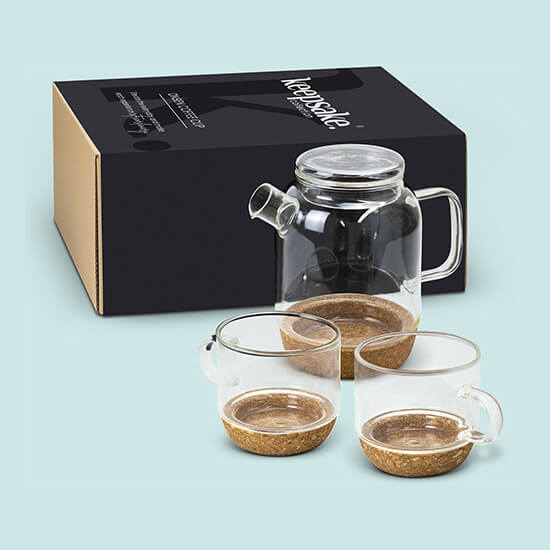
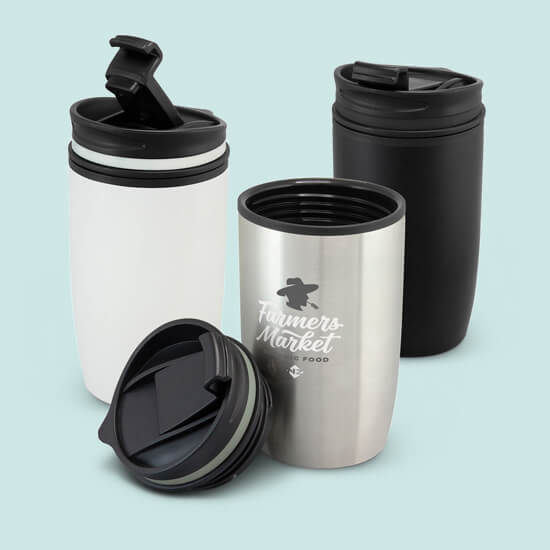
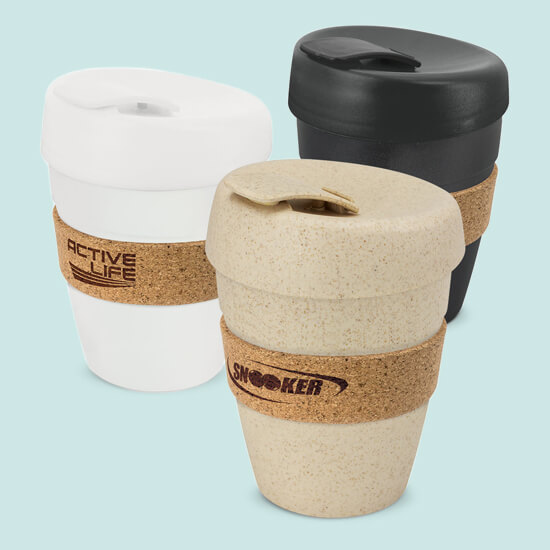
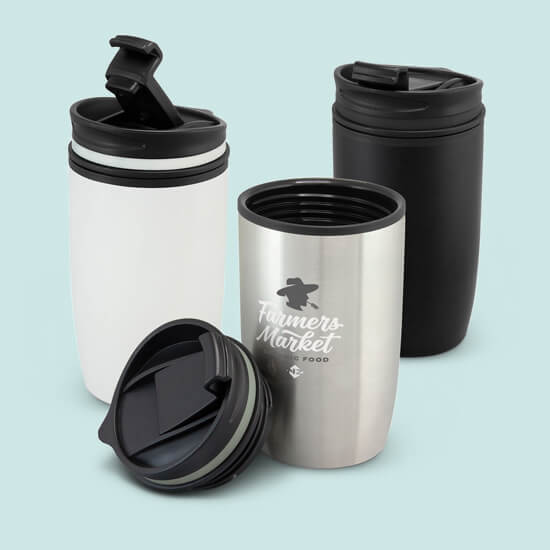
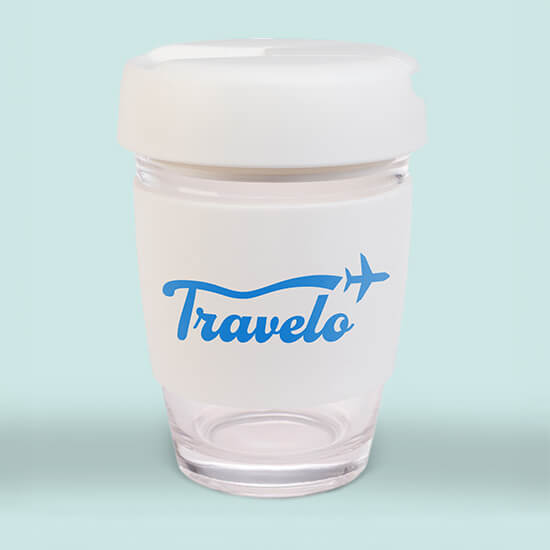
The range covers every drinking occasion and workplace setting. Ceramic Mugs are the go-to for office desks and reception areas, available in standard and coloured-interior styles from 325ml to 400ml. Stoneware Mugs like the Black Hawk and Arabica suit premium gift boxes and client hampers. Double Wall Stainless Steel Mugs like the Milan use an insulated construction to keep drinks hot for hours, making them a favourite for commuters and corporate gifting. Reusable Travel Cups like the Karvo Ecco Kuppa offer a leak-proof lid and double wall design for on-the-go use, and they are among our most popular promotional reusable coffee cups. Enamel Mugs like the Bendigo bring a classic outdoor look suited to tradies, camping promotions and rugged brand campaigns. Bamboo and Eco Cups like the Bogota and Bambino combine sustainable materials with a warm, tactile feel for environmentally focused brands. Wheat Straw Cups like the Vetto use a 50 per cent wheat straw bioplastic that is BPA free, dishwasher safe and microwave safe. Gift Sets like the Bella bundle drinkware with accessories for a polished corporate pack. Espresso and Piccolo Cups like the Baby Chino Karma Kup suit cafés, hospitality venues and coffee-loving clients.
Most ceramic mugs are branded using sublimation or rotary screen print for full-colour or bold spot-colour logos. Stainless steel and enamel options suit laser engraving for a permanent, premium finish. Sizes run from 120ml espresso cups through to 500ml enamel mugs to cover every preference. Call 1300 85 50 35 for a free artwork mockup and our team will match the right mug, material and print method to your brief.
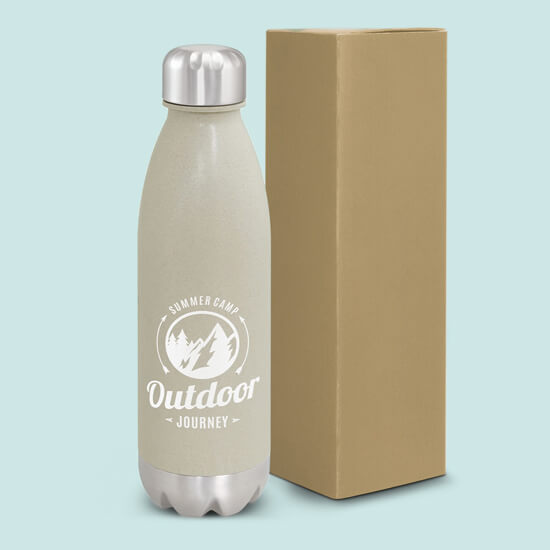
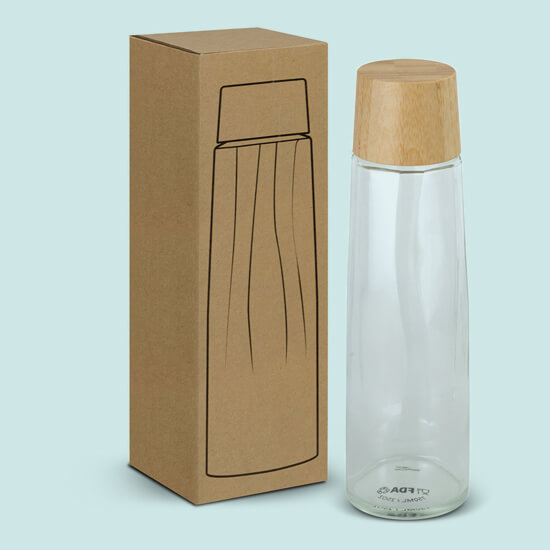
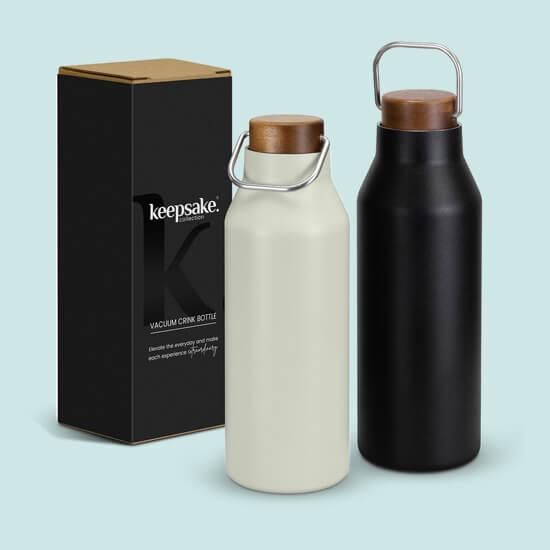
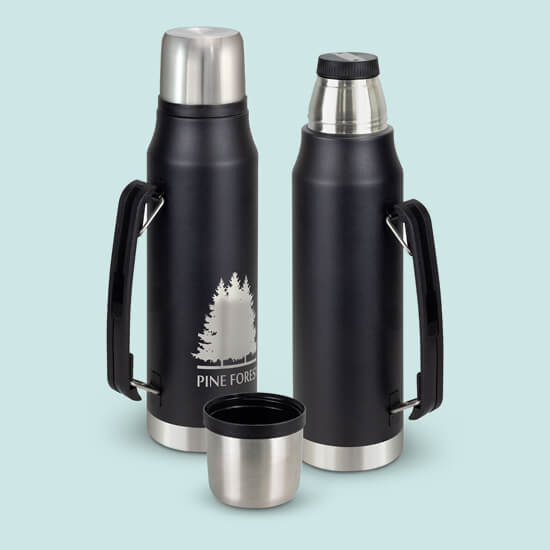
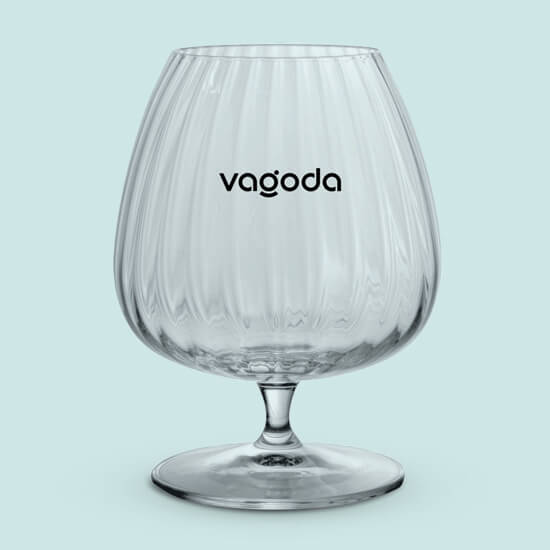
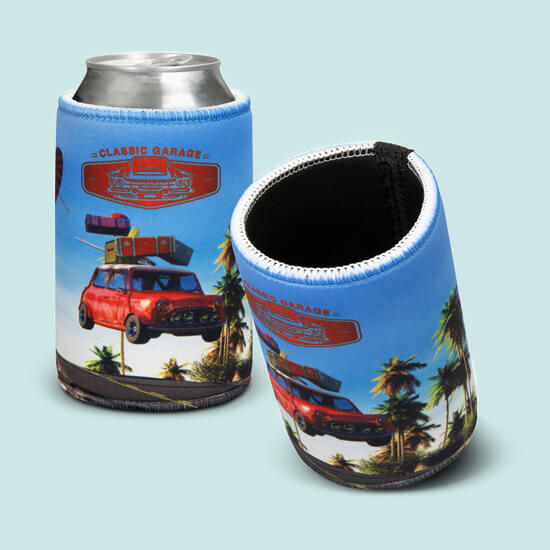
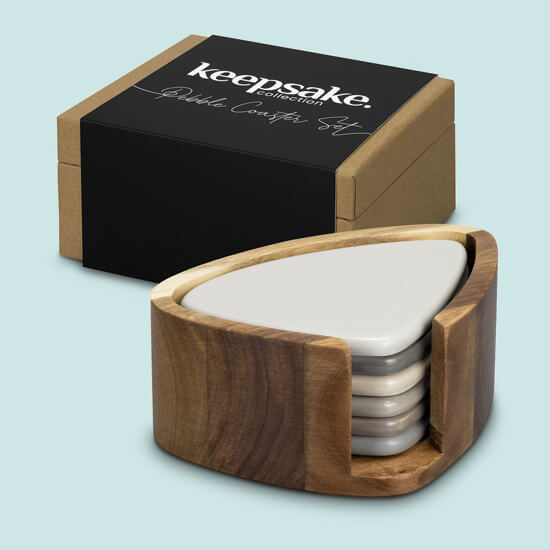
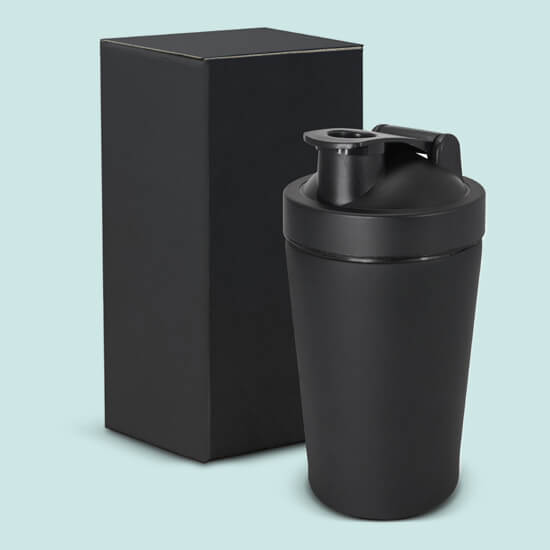
Stay tuned! More products will be shown here as they are added.
| Product Type | Key Features | Popular Promo Use | Recommended Branding |
| Ceramic Mug | 325-400ml, glossy or matte finish | Office desk gifts, staff onboarding kits | Sublimation / Rotary Screen Print |
| Stoneware Mug | 330-400ml, gift box included | Client hampers, executive gift packs | Rotary Screen Print / Rotary Digital |
| Double Wall Stainless Steel | Insulated, spill-proof lid, BPA free | Corporate gifts, commuter staff packs | Laser Engrave / Rotary Screen Print |
| Reusable Travel Cup | 350ml, leak-proof lid, double wall | Conference handouts, tradeshow giveaways | Rotary Screen Print / Rotary Digital |
| Enamel Mug | 500ml, durable steel shell | Trades crews, outdoor and rugged promotions | Laser Engrave / Screen Print |
| Eco and Bamboo Cup | 300-450ml, BPA free, sustainable material | Eco campaigns, sustainability-focused brands | Pad Print / Rotary Screen Print |